
Revolutionize Your Customer Relations with Advanced CRM Solutions
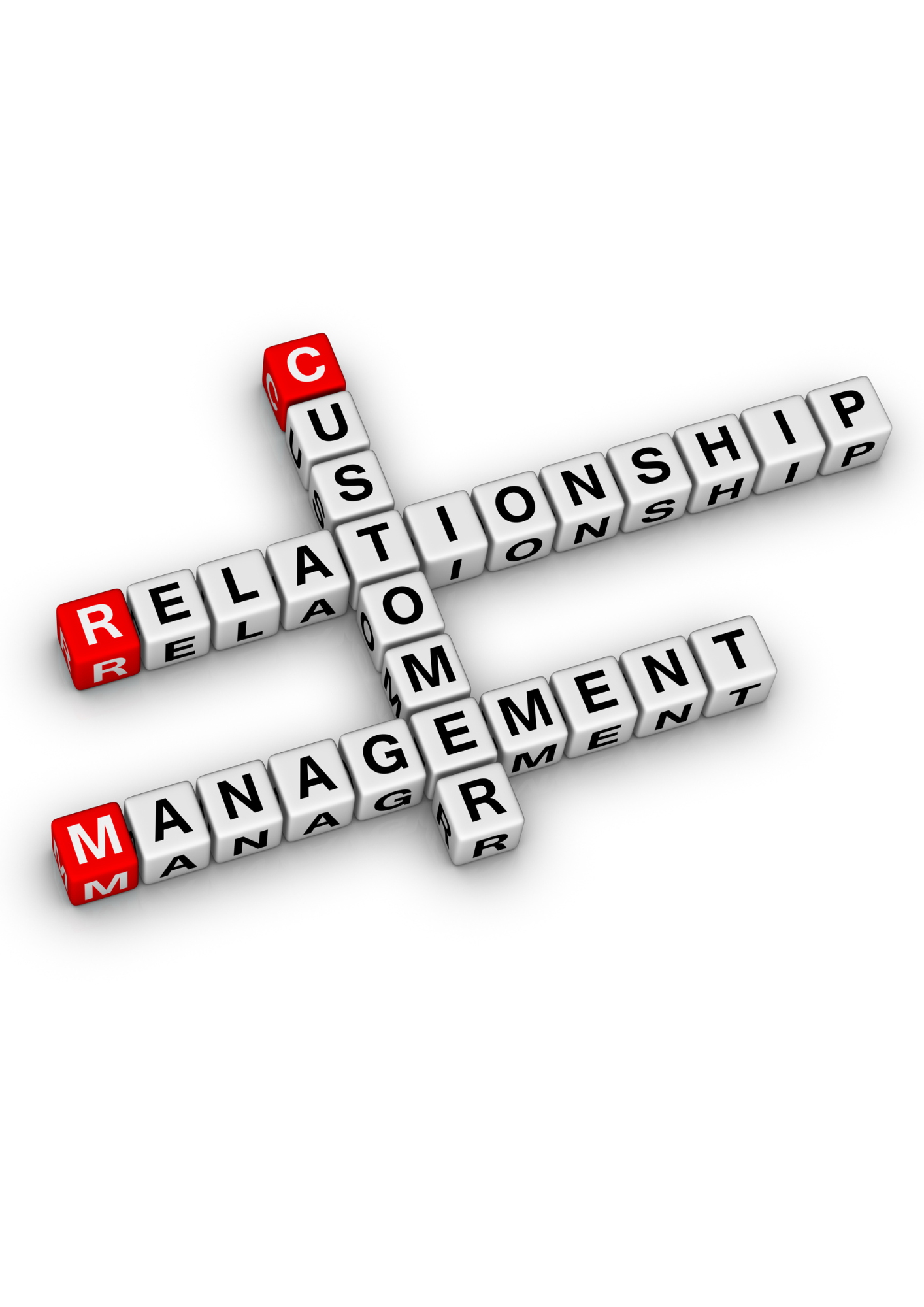
Your CRM is either making you money or costing you money — there is no neutral ground.
Most businesses treat their CRM like a digital Rolodex. They log contacts, maybe track a few deals, and call it "organized." That's not customer relationship management. That's a spreadsheet with a monthly subscription. The businesses actually winning on retention and lifetime value are using CRM as an operational engine, not a storage cabinet.
The Gap Between CRM Adoption and CRM Execution
Here's the uncomfortable truth: 91% of companies with more than 11 employees use a CRM, yet Salesforce's own research shows that 43% of CRM users access less than half the features available to them. You're paying for a Ferrari and driving it in first gear.
The problem isn't the software. HubSpot, Salesforce, GoHighLevel, Zoho — they're all capable of transforming how you interact with customers. The problem is implementation without strategy. A med spa drops HubSpot onto their front desk workflow, imports a contact list, and wonders why retention hasn't moved six months later. Because software doesn't fix broken follow-up processes. It amplifies them, good or bad.
Advanced CRM execution means building automated workflows that trigger based on customer behavior, not just calendar dates. A moving company, for example, shouldn't be blasting the same email to every lead. They should be sending personalized sequences based on move date, service type, and whether the customer requested a quote but didn't book — with a follow-up window that closes within 48 hours, not seven days.
Segmentation Is Where Revenue Actually Lives
Generic broadcast messaging is why most email lists produce 1-2% click rates. Segment the same list by service history, purchase frequency, or customer lifetime value, and you're looking at 4-6x engagement improvement — those numbers aren't hypothetical, they're benchmarks from properly segmented campaigns across service industries.
In practice, this looks like:
- A home services company creating a "high-value repeat customer" segment for customers with 3+ bookings and sending them early access to seasonal packages
- A legal firm tagging leads by case type and routing them to different nurture sequences with relevant educational content
- An ecommerce brand identifying customers who bought once, never returned, and hitting them with a specific win-back offer at day 45 post-purchase
GoHighLevel does this particularly well for service businesses because the pipeline view connects directly to the automation builder. You can see exactly where a contact is in the customer journey and what triggered their last touchpoint. That visibility is what turns a CRM from a passive tool into an active revenue driver.
Retention Is a System, Not a Sentiment
Retention isn't about being nice to your customers. It's about engineering touchpoints that keep your business top-of-mind without being annoying. There's a difference between a quarterly check-in email that gets ignored and a behavior-triggered follow-up that lands when the customer actually needs you.
A med spa using CRM data correctly knows that their Botox clients typically rebook at 90-day intervals. So at day 75, a personalized SMS goes out. Not "Hey, it's been a while!" — that's lazy. Something specific: "Your last appointment was [date]. Most clients see optimal results with a follow-up around now — here's a link to book." That message converts because it's timely, contextual, and frictionless.
Pipeline visibility also matters for high-ticket service businesses. If a client in a legal intake pipeline goes 10 days without contact, that should trigger an internal alert, not a missed revenue opportunity. Automated task assignment, deal stage updates, and response-time tracking aren't premium features — they're table stakes if you're serious about not losing warm leads.
What to Do Next
- Audit your current CRM usage: Log in and identify which automations are actually running versus which were set up and never tested. Most accounts have broken sequences no one's noticed.
- Build three core segments immediately: At minimum — new leads, active customers, and lapsed customers (no purchase in 90+ days). Market to each differently.
- Set behavior-based triggers: Identify the top three customer actions in your pipeline (quote requested, appointment booked, invoice unpaid) and build automated follow-ups for each within 24 hours.
- Track contact-to-close time: If you don't know your average time from first touch to conversion, you don't know where deals are dying. Pull this report weekly.
The businesses that dominate their category aren't spending more on ads — they're extracting more value from the customers they already have. A properly configured CRM is the infrastructure that makes that possible. Build it right once, and it runs the follow-up, retention, and reactivation work your team doesn't have bandwidth for.
Want us to build this for you?
Get a free custom growth plan for your business.
Start Your Growth Plan