
Unlock Business Growth with Effective CRM Solutions
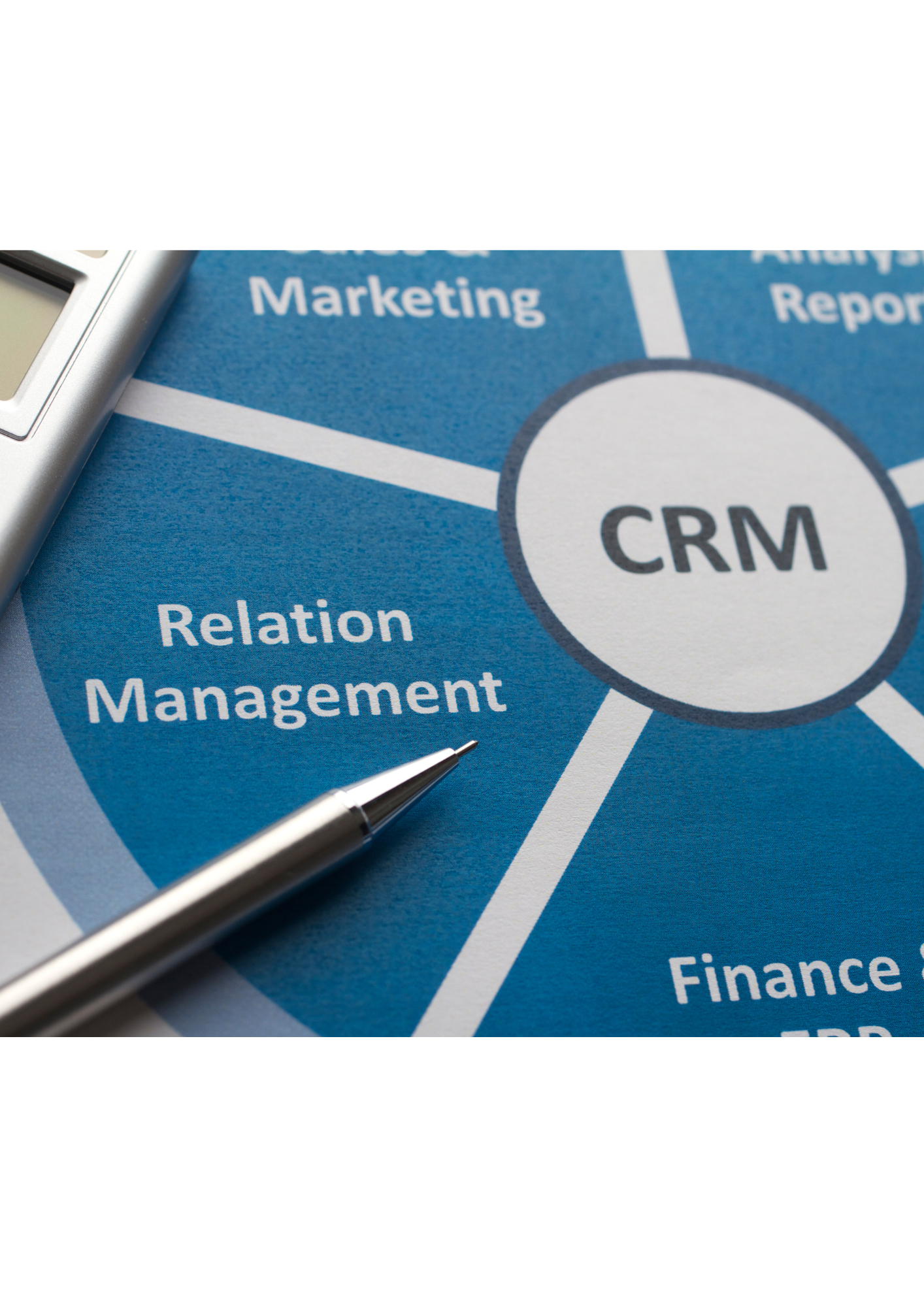
Your CRM is either making you money or costing you money — there is no neutral.
Most service businesses treat their CRM like a digital rolodex. They dump contacts in, maybe log a few notes, and wonder why their close rate hasn't moved in two years. That's not a CRM strategy. That's organized neglect.
A CRM done right is a revenue system. It tells you exactly where every lead is in your pipeline, which follow-up sequence is running, what your average deal velocity looks like, and which rep is dropping the ball at step three. If your CRM can't answer those questions on demand, you're flying blind with expensive software as your copilot.
The Real Reason CRMs Fail at Most Companies
It's not the platform. It's the process — or the lack of one.
A med spa switches to HubSpot, spends $400/month, and six months later the team is still texting clients from personal phones and logging nothing. A moving company buys GoHighLevel because a guy in a Facebook group said it changed his life. Three weeks later, automations are half-built, the pipeline has 200 stale leads from 2022, and the owner is back to spreadsheets.
The tool didn't fail them. They failed the tool by treating setup as a one-time event instead of a living system.
Effective CRM adoption requires three things most businesses skip: clean data entry standards (who enters what, when, in what format), defined pipeline stages that match your actual sales process, and automation that eliminates human error — not human judgment. You're not trying to replace your sales process. You're trying to make it impossible to accidentally ghost a $4,000 lead.
Where CRM Directly Accelerates Growth
Speed to lead is the most underrated growth lever in service businesses. Studies consistently show that responding to an inbound inquiry within five minutes increases conversion rates by up to 9x compared to a 30-minute response. Your CRM should be triggering that first touchpoint automatically — an SMS, an email, a task for a rep — the second a form gets submitted or a call goes unanswered.
For home services companies, this alone can mean the difference between winning 3 jobs a week or 10. A plumbing company running a proper CRM with automated lead response, a 3-day follow-up sequence for estimates that never got accepted, and a reactivation campaign for past customers from the last 18 months is running three revenue channels simultaneously. Their competitor with the same lead volume is manually calling one name at a time.
Pipeline visibility matters just as much on the retention side. For legal firms and med spas, the money isn't just in new clients — it's in the clients who came in once and disappeared. A solid CRM flags those contacts automatically. If a med spa patient hasn't booked in 90 days, they should be in a re-engagement sequence by day 91, not remembered by accident six months later when a staff member happens to scroll through old bookings.
Choosing the Right CRM for Your Business Type
Not every platform is built for every business model, and picking the wrong one wastes months.
GoHighLevel is purpose-built for agencies and service businesses running high-volume lead flow. If you're a home services company running paid ads and need landing pages, follow-up automation, call tracking, and pipeline management in one place, it's hard to beat at its price point. HubSpot makes more sense for B2B service businesses — legal, consulting, commercial services — where deal cycles are longer, contacts are more complex, and you need CRM to integrate tightly with marketing reporting. Jobber and ServiceTitan are purpose-built for field service operations and handle scheduling and dispatch logic that general CRMs don't touch.
The mistake is shopping for features before mapping your process. Write down every step from lead to closed deal to repeat customer first. Then find the CRM that handles that sequence with the least friction.
What to Do Next
- Audit your current pipeline: Count how many leads are sitting untouched past 48 hours. That number is your immediate revenue recovery opportunity.
- Define your stages: Map every step of your sales process — not the one you wish you had, the one that actually happens — and build your pipeline to match it exactly.
- Build one automation before anything else: Set up an immediate auto-response for new inbound leads. SMS first, email second, rep task third. Test it on yourself before going live.
- Set a 90-day reactivation campaign: Pull every contact who didn't convert or hasn't returned in three months and build a simple 3-email sequence. Most businesses find 10–20% of those contacts respond.
A CRM isn't a software purchase — it's a decision about how seriously you're going to operate. The businesses that treat it like infrastructure instead of a checkbox are the ones still growing when everyone else is complaining about lead costs.
Want us to build this for you?
Get a free custom growth plan for your business.
Start Your Growth Plan